Engineering Metrology & 3D Measurement
This Course includes:
1 Week (2-3 Hours/Week)
Unlimited Lifetime Access
Downloadable PDF E-Books
Certificate of Completion
Quizzes & Knowledge Checks
Downloadable Resources & Notes
This course covers the complete foundation of Engineering Metrology and modern 3D measurement systems used in manufacturing, quality control, and precision engineering.
You will learn how measurement works, different types of measuring systems, calibration methods, uncertainty concepts, and ISO standards that govern industrial measurement practices.
The course begins with measurement basics, tolerances, GD&T, and units. You then study major measurement methods such as linear, angular, surface, gear, thread, temperature, pressure, flow, optical, and force/torque measurement. Each module explains instruments, working principles, terminology, and calibration practices.
You will also explore advanced 3D metrology including coordinate systems, CMM machines, 3D scanning, probing techniques, and modern digital measurement workflows. The course ends with measurement planning and uncertainty evaluation, enabling you to build complete, industry-ready inspection processes.
By the end of this course, you will understand traditional and modern metrology methods and be confident in selecting, operating, and validating measuring instruments for precision engineering.
By GaugeHow Team & Deepak -Metrology & Mechanical Expert, 8+ Years
Beginner
Trusted By 29.5K+ Engineers
Essential Industry Tools









The Curriculum
Module 1: Fundamentals of Measurement
What is Measurement?
Types of Measurement
Measurement Terminology
Units of Measurement
Accuracy & Precision
Error vs Uncertainty (Intro)
Basics of GD&T
Limits, Fits & Tolerances
Module 2: Linear & Angular Measurement
Module 3: Mechanical Gauging & Comparator Systems
Module 4: Temperature, Pressure, Force & Flow Measurement
Module 5: Gear, Thread & Surface Metrology
Module 6: Optical & Advanced Metrology Tools
Module 7: 3D Metrology & Coordinate Measurement
Module 8: Measurement Planning
Module 9: Measurement Uncertainty
Module 10: ISO Standards in Metrology
Requirements
No prior metrology experience required
What to expect from this course
You will learn what measurement is, the types of measurement, key terms, measurement units, GD&T basics, and limit–fit–tolerance systems used in industry.
You will understand linear measurement tools such as vernier calipers, micrometers, height gauges, and universal length measuring machines, along with calibration procedures.
You will learn angular measurement techniques, devices used for angle inspection, and how angular instruments are calibrated.
You will study comparator gauges, how they work, and where comparative measurement is used in precision inspection.
You will learn how temperature and pressure are measured, units used, common instruments, and how these measurements affect industrial processes.
You will understand gear metrology, gear terminology, and how different gear types are measured. You will also learn surface metrology including surface plates, grades, and surface roughness evaluation.
You will study thread metrology, thread terms, and measurement techniques used for threaded components.
You will learn optical metrology tools such as profile projectors and how optical inspection improves accuracy.
You will understand force and torque measurement devices, torque wrenches, and their applications. You will also learn flow measurement devices and their working principles.
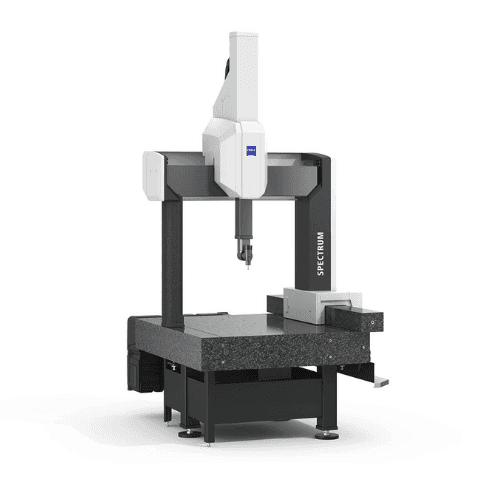
You will explore 3D metrology, including coordinate systems, CMM machines, types of CMMs, and 3D scanning technologies used in modern manufacturing.
You will learn how to prepare a measurement plan, use planning checklists, evaluate uncertainty, understand accuracy vs precision, identify sources of uncertainty, and follow methods to reduce uncertainty.
Finally, you will learn the ISO standards related to calibration labs, CMM inspection, and pressure measurement, helping you understand compliance and quality requirements.
Your Competition Is Already Learning. Start Today.
Learn the Engineering Skills That Get You Hired, Promoted, and Paid More
40+ Industry Skills
Certificate of Completion
GaugeHow Notes Library
7+ Career Paths
New Courses & Updates
Technical Support
4.5/5 from 29,500+ enrolled learners