7 Mechanical Engineer Skills for Beginners in 2026
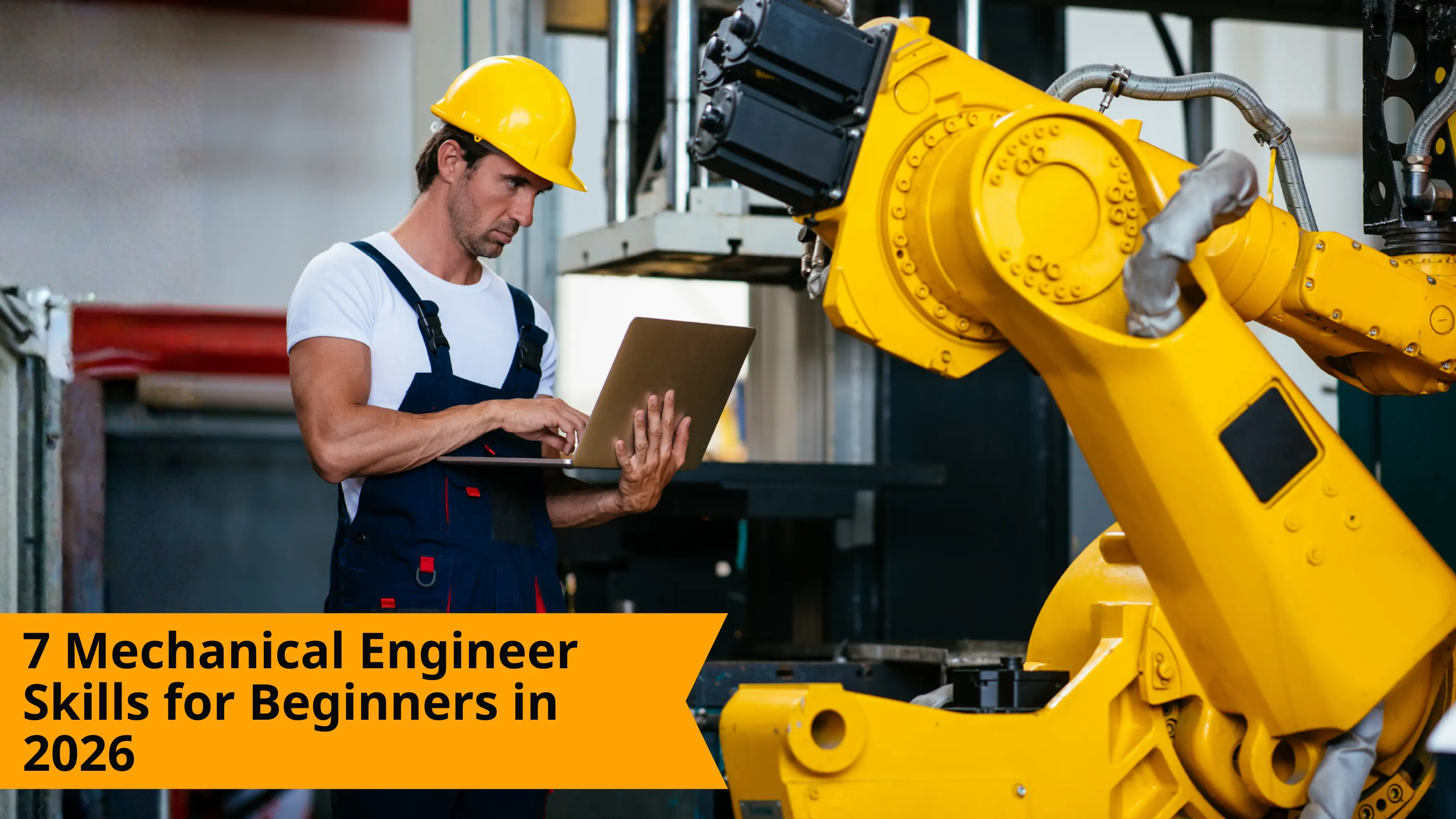
Mechanical engineers design, build, and improve physical systems, such as machines, mechanisms, production tools, and thermal systems. In practical work, you translate requirements into a design, validate it with basic analysis or testing, and document it so manufacturing and quality teams can execute it without guesswork.
Employers focus on mechanical engineer skills because hiring is driven by proof of capability, not only by degrees. In India, AICTE’s approved intake for the 2025–26 session is 15.98 lakh, which keeps entry-level competition high. (The Indian Express)
Mercer | Mettl reports overall graduate employability in 2024 at 42.6%, showing why demonstrable, job-ready skills matter in interviews.
At GaugeHow, we believe that a degree is not the finish line. Practical learning and applied projects help you build confidence and outperform others. Let’s discuss the key mechanical engineering skills every beginner should develop in 2026.
1. Proficiency in Robotics and Automation
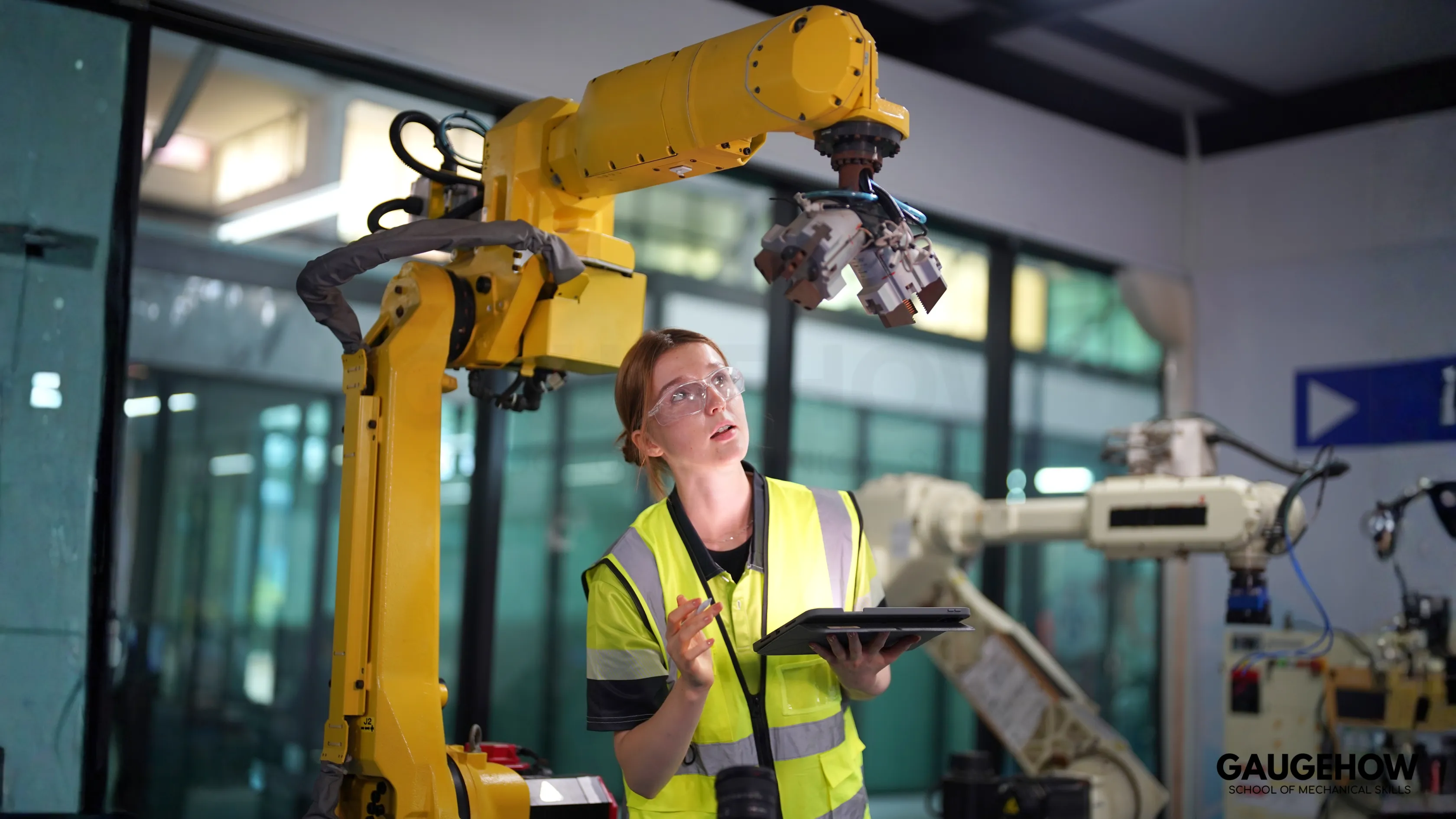
Working knowledge of robotics and automation is increasingly important in 2026. Robotics and automation involve designing, building, and operating systems that perform tasks automatically with little or no human intervention.
A good understanding of sensors, actuators, and basic control logic helps you design mechanisms that integrate cleanly into automated environments. In real mechanical roles, automation shows up in assembly lines, CNC cells, inspection systems, actuators, sensors, and controls.
2. Designing and Simulation
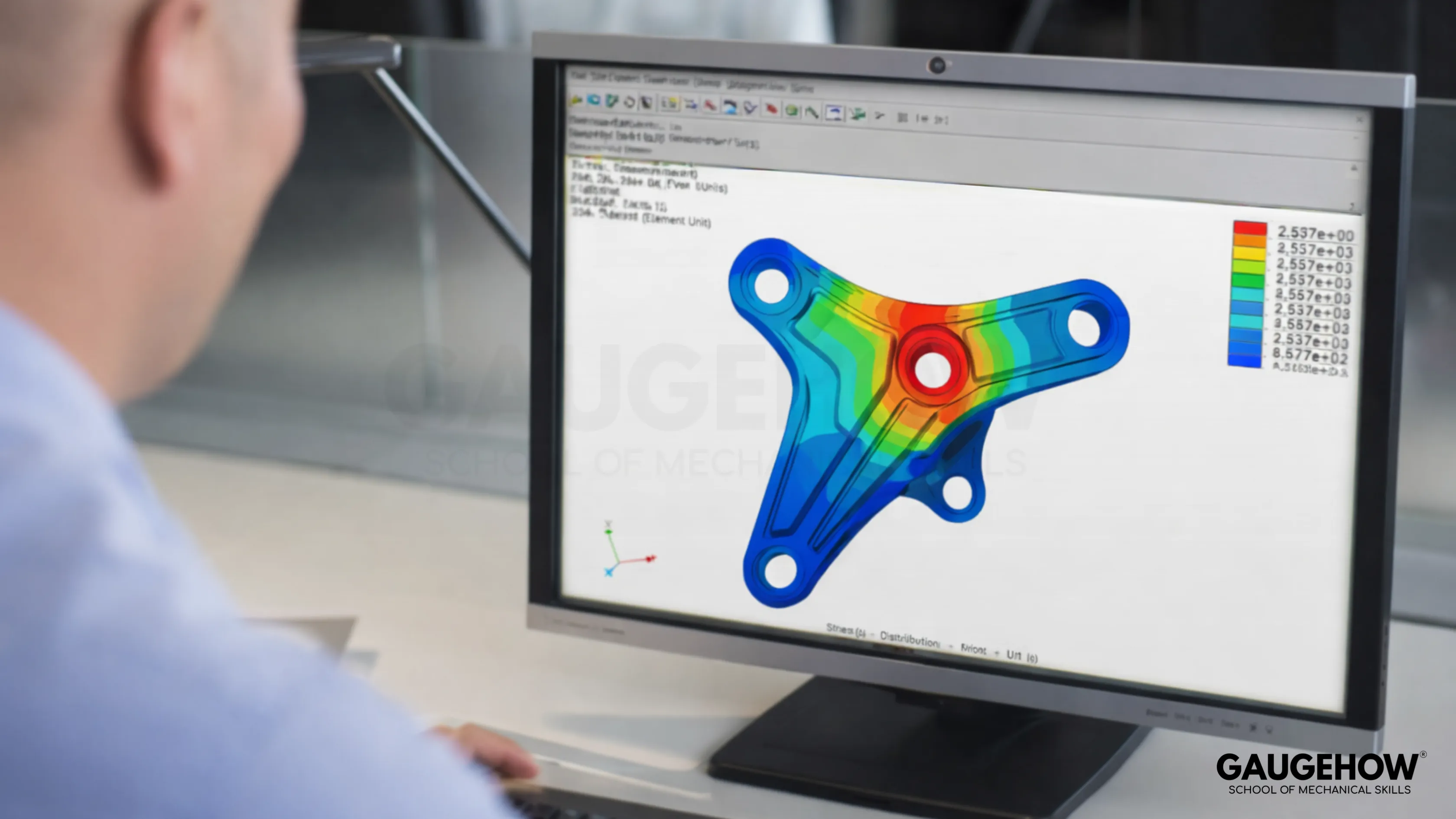
If you want to create, refine, and optimize designs, learning CAD and CAE principles is important.
What Is CAD?
CAD (Computer-Aided Design) is used to create and modify 2D drawings and 3D models of parts and assemblies. You use CAD to define geometry, dimensions, interfaces, and design intent so the design can be reviewed and manufactured with fewer errors.
Some popular CAD software includes:
Fusion 360
CATIA V5
SolidWorks
AutoCAD
Autodesk Inventor
How CAE Supports CAD
Creating 2D and 3D models is only one part of engineering work. CAE (Computer-Aided Engineering) is used to evaluate how a design will perform, such as stress, deformation, vibration, thermal behavior, and flow. It helps identify design risks earlier, reduces rework, and can reduce the need for repeated physical testing.
Advantages of CAE include:
Cost reduction through fewer redesign loops
Virtual testing before prototyping
Strong integration with CAD workflows
Improved product quality through early checks
Better credibility during design reviews
3. Mathematical and Reasoning Ability
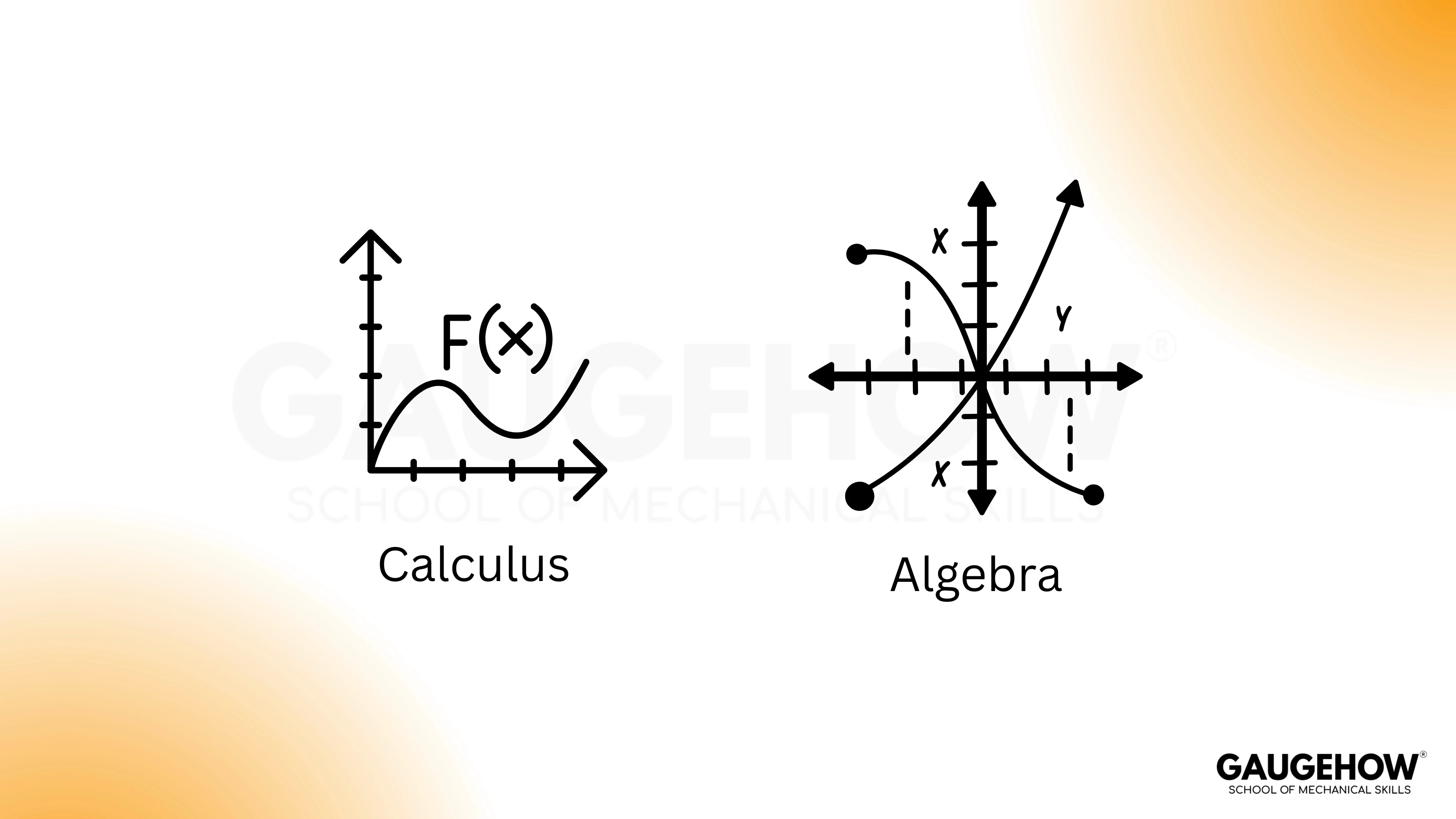
Mechanical engineers are solution-oriented professionals with strong reasoning and structured problem-solving. They work on everything from design to improving thermal and mechanical systems, so you need the ability to estimate, sanity-check results, and choose the right approach under constraints.
Mastering numerical methods, calculus basics, geometry, algebra, and statistics builds technical understanding and improves decision-making. It also develops analytical thinking that supports consistent engineering judgment.
Problem-Solving and Documentation: Technical skills for mechanical engineers
In hiring, technical skills for mechanical engineers often show up through how you solve and document work: clear assumptions, readable calculations, clean drawings, and revision-aware notes. Attention to detail matters because most real mistakes happen during handoff, such as unclear tolerances, missing references, wrong units, or undocumented changes.
4. Material Science and Lean Manufacturing
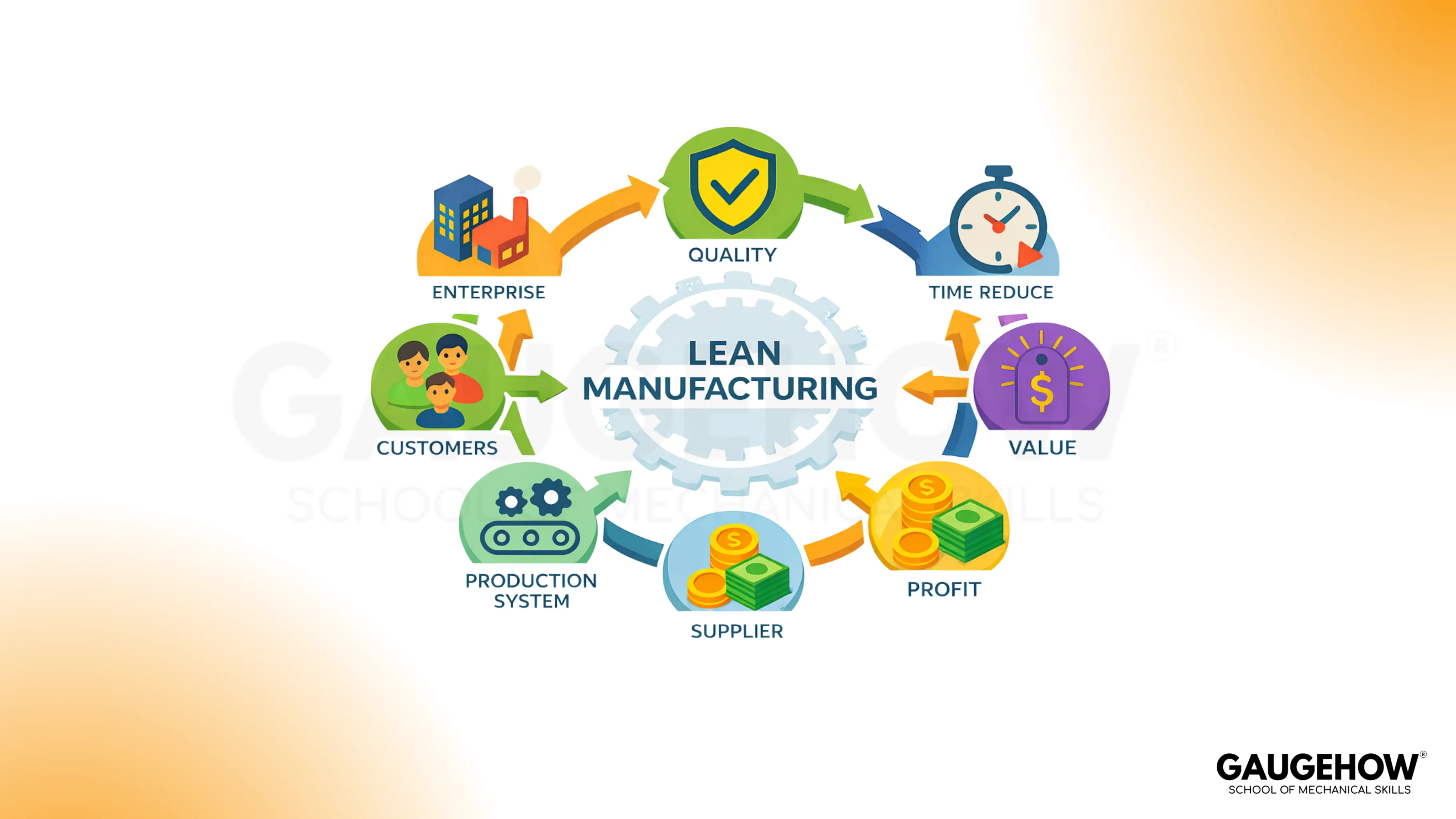
Material science helps you choose materials based on strength, stiffness, fatigue resistance, corrosion behavior, heat response, manufacturability, and cost. Knowing how materials behave in real conditions helps you avoid failure modes like cracking, distortion, wear, or early fatigue.
Lean manufacturing thinking helps you reduce waste by designing parts and processes that are simpler to produce, inspect, and assemble.
Prominent advantages of both are listed below:
Cost Reduction – Eliminating waste by selecting practical materials and processes without compromising performance.
Consumer Satisfaction – Better product consistency through predictable manufacturing outcomes.
High Product Quality – Better material selection improves durability and reliability.
Low Chances of Failure – Understanding material behavior reduces cracks, distortion, and premature wear.
Creation and Design – Supports innovation using alloys, composites, and advanced engineering materials.
5. Project Management Expertise

Working on complex and advanced projects needs disciplined execution. Project management helps plan, organize, and control work so projects run smoothly from start to finish. It supports consistent delivery across design, production, and quality requirements.
Smart decision-making, teamwork, and coordination are key tools.
Why it matters:
It helps you manage scope, timelines, and constraints without constant rework.
It reduces risk by forcing early decisions and clear responsibilities.
It improves handoffs between design, procurement, manufacturing, and quality.
Communication and Cross-Functional Work: Skills required for mechanical engineer
In interviews and on the job, the skills required for mechanical engineer roles include communication that survives handoff. That means writing clean design notes, explaining trade-offs in plain language, and aligning early with manufacturing and quality so your design does not collapse during production.
6. Manufacturing and Prototyping
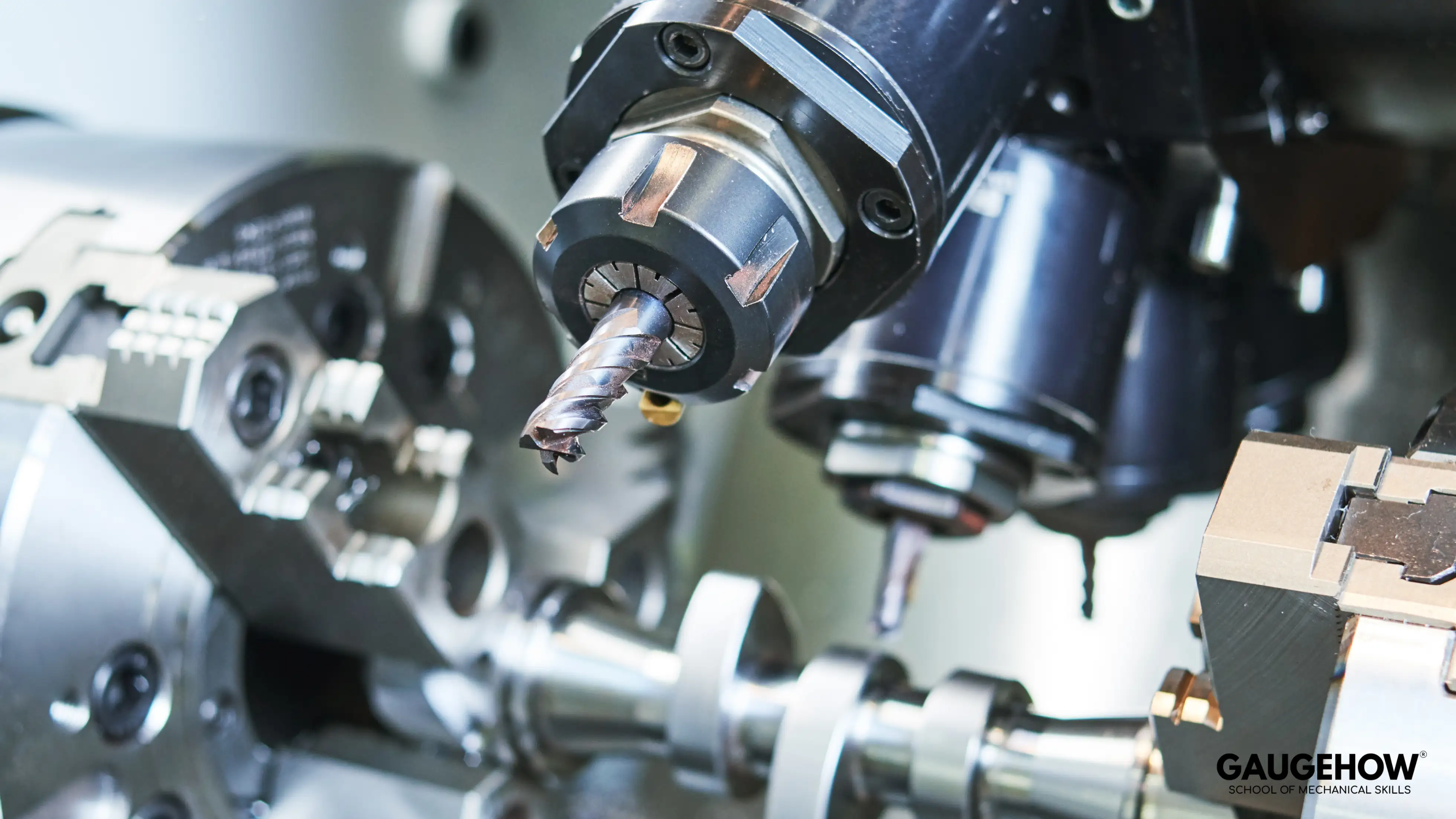
Manufacturing is the process that begins with design and ends with full-scale production. It is about turning ideas into reliable, repeatable products while meeting cost, quality, and schedule constraints.
Smart manufacturing outcomes are commonly reported as measurable improvements.
Deloitte’s 2025 smart manufacturing survey reports average net impacts of 10% to 20% improvement in production output, 7% to 20% improvement in employee productivity, and 10% to 15% unlocked capacity after implementation. (Deloitte)
Prototyping is about creating the first working model to verify durability, functionality, performance, and fit before scaling to mass production.
Benefits of manufacturing and prototyping:
Innovation – Encourages the use of modern tools and methods, including CNC, automation, and structured process improvement.
Improved Product Quality – Testing and refining early reduces weak or failure-prone outcomes.
Sustainability and Scalability – Better process control reduces waste and supports growth from small batches to production scale.
Cost Efficiency – Streamlined operations reduce expensive redesign later.
7. Thermodynamics

Thermodynamics is one of the core subjects of mechanical engineering. From engines to cooling systems, thermodynamics helps engineers design better machines. It teaches how to manage energy, improve efficiency, and design systems that meet performance and safety limits.
The HVAC system market is projected to reach USD 407.77 billion by 2030 (forecast). (MarketsandMarkets)
Core Skills Mechanical Engineers Should Develop
Energy Systems – Understanding engines, turbines, compressors, and boilers.
Simulation Tools – Using tools like ANSYS, SolidWorks, Autodesk CFD, or Siemens tools when the role requires it.
Heat Transfer Concepts – Understanding convection, conduction, and radiation.
Logical Thinking Using Equations – Applying core relations from heat transfer and the ideal gas law.
Conclusion
Mechanical engineering is not only theory. It is the ability to design, validate, and hand off work that holds up in manufacturing and testing. If you are a fresher, focus on the seven areas above, then prove them with one or two small projects: a clean CAD model, a drawing, one validation step (basic FEA, thermal estimate, or a test), and a short write-up explaining decisions and revisions. That is how mechanical engineer skills become easy for employers to trust.
FAQs
What skills do employers check first for mechanical engineers in 2026?
Employers first check whether you can read requirements, build stable CAD, create usable drawings, and think about manufacturability. They also notice basic CAE judgment, revision discipline, and whether your documentation shows a complete engineering loop.
How can a fresher prove skills without internship experience?
A fresher can prove their ability through two clean portfolio projects with models, drawings, calculations, and checks. Show GD&T intent, tolerance reasoning, simple simulation, BOM, change log, and brief notes explaining what changed and why.
Which software should beginners learn for mechanical roles?
Start with one CAD tool, such as SolidWorks or Fusion 360 and learn it properly. Then add drawings, assemblies, and file control, followed by basic simulation in ANSYS or built-in tools, plus simple Python automation.
How do communication and teamwork show up in mechanical engineering work?
In mechanical work, communication appears through clean handoffs, review notes, and decision tracking. You should explain objectives, assumptions, calculations, risks, and inspection needs clearly so that design, manufacturing, and quality teams can act without confusion.
Which “soft” skills actually influence hiring decisions most?
Hiring teams value judgment that prevents mistakes before release. They look for unit control, tolerance awareness, boundary condition thinking, safety reasoning, and honest documentation. Explaining one corrected mistake clearly often signals stronger engineering maturity.